Қазақша
- English
- Español
- Português
- русский
- Français
- 日本語
- Deutsch
- tiếng Việt
- Italiano
- Nederlands
- ภาษาไทย
- Polski
- 한국어
- Svenska
- magyar
- Malay
- বাংলা ভাষার
- Dansk
- Suomi
- हिन्दी
- Pilipino
- Türkçe
- Gaeilge
- العربية
- Indonesia
- Norsk
- تمل
- český
- ελληνικά
- український
- Javanese
- فارسی
- தமிழ்
- తెలుగు
- नेपाली
- Burmese
- български
- ລາວ
- Latine
- Қазақша
- Euskal
- Azərbaycan
- Slovenský jazyk
- Македонски
- Lietuvos
- Eesti Keel
- Română
- Slovenski
- मराठी
- Srpski језик

Why Is a High-Performance Water Pump Transforming Modern Fluid-Handling Systems?
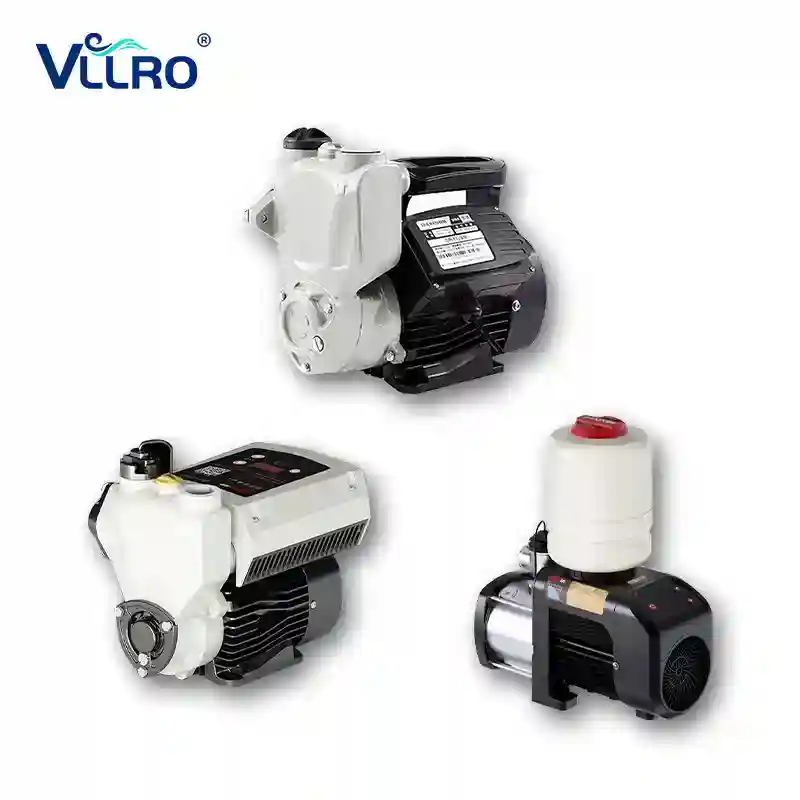
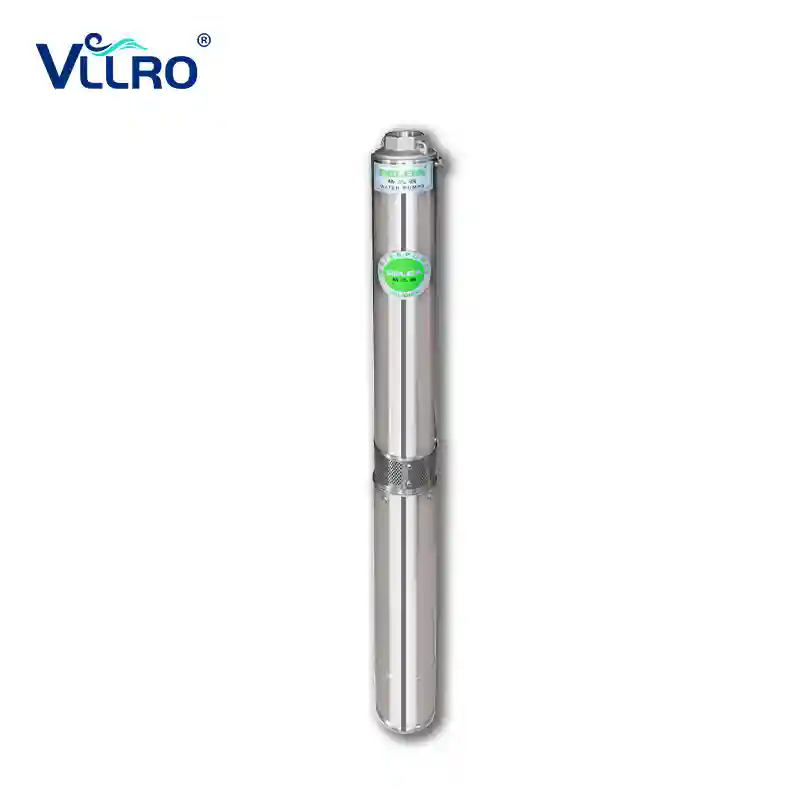
A water pump is a mechanical device engineered to move water or other fluids from one point to another through pressure and flow control. Its performance directly influences operational efficiency, service lifespan, energy consumption, and overall cost-effectiveness in residential, industrial, agricultural, and commercial settings. As industries shift toward higher productivity and stricter sustainability standards, the demand for durable, efficient, and low-maintenance water pumps continues to rise.
What Makes a Water Pump Effective?
A high-quality water pump achieves consistent flow delivery, maintains optimal pressure levels, and withstands demanding operating conditions without performance degradation. Several technical factors determine its efficiency and suitability for different applications.
Key Performance Parameters
| Parameter | Description |
|---|---|
| Flow Rate (GPM/LPM) | Determines the volume of water the pump can move per minute, directly affecting productivity in irrigation, manufacturing, HVAC, and circulation systems. |
| Max Head / Pressure | Indicates the maximum height the pump can push water vertically; a critical factor in deep wells, high-rise buildings, and long-distance transfer. |
| Power Rating (HP/kW) | Defines the pump’s energy requirement; efficiency is evaluated by how much flow and pressure are achieved per unit of energy. |
| Material Composition | High-strength metals, anti-corrosion coatings, and abrasion-resistant polymers extend service life and reduce maintenance cycles. |
| Pump Type | Centrifugal, submersible, diaphragm, and peripheral types address different pressure and flow environments. |
| Seal Type | Mechanical seals and high-grade rubber gaskets prevent leakage, reduce vibration, and ensure safety in continuous operation. |
| Working Temperature & Environment | Determines whether the pump is suitable for hot water, cold water, chemicals, dirty water, or abrasive slurries. |
| Noise & Vibration Control | Affects comfort, stability, and long-term structural wear. |
These parameters determine the pump’s applicability, efficiency, and operational cost. A strong product must deliver stable performance under varying loads and environmental stress.
What Functional Advantages Should a High-Performance Water Pump Offer?
-
Consistent and High Flow Delivery
Ensures stable supply in domestic, industrial, and agricultural systems. -
Strong Lifting Power
Supports long-distance transmission and high-head operations without flow loss. -
Energy-Saving Design
Efficient motors and hydraulic structures reduce electricity consumption and operating expenses. -
Durable Construction
Anti-corrosion materials resist rust, wear, and chemical impact, extending lifespan. -
Low-Noise and Stable Operation
Essential for residential, office, medical, and indoor environments. -
Easy Installation and Maintenance
Simplifies troubleshooting, reduces downtime, and minimizes long-term costs.
Why Are Advanced Water Pumps Becoming Critical Across Industries?
As water systems modernize, pumps are relied on not only for basic fluid movement but for precision control, resource management, and environmental sustainability. The following industries are driving demand due to increasing expectations for reliability and efficiency.
Industrial Applications
-
Manufacturing cooling systems
-
Chemical transfer and processing
-
HVAC circulation
-
Boiler feed and condensed water recovery
-
Pressure boosting for production lines
The reliability of pumps directly affects output stability and equipment safety.
Agricultural and Irrigation Systems
-
Farmland irrigation
-
Water distribution in greenhouses
-
Livestock watering
-
Rural water supply networks
A well-designed pump ensures consistent water delivery, which is vital for crop yield and livestock health.
Residential and Commercial Use
-
Domestic water pressure boosting
-
Lawn sprinklers and small-scale irrigation
-
Basement dewatering
-
Swimming pool and pond circulation
-
Commercial building water supply
Stability and noise control play major roles in user satisfaction.
Municipal and Environmental Projects
-
Wastewater handling
-
Flood control
-
Water treatment plants
-
Public water distribution
Municipal projects require pumps built for high reliability, long service life, and continuous operation.
How Will Water Pump Technology Evolve?
Modern water pump development is driven by sustainability, automation, and enhanced durability. The industry is evolving rapidly with several key trends:
Energy-Efficient Motor Systems
High-efficiency motors significantly reduce long-term energy costs. Pump systems are increasingly adopting optimized impellers, smart sensing, and advanced hydraulic structures to achieve more flow with less power.
Smart Monitoring and Predictive Maintenance
Integration of digital sensors allows pumps to track:
-
Vibration patterns
-
Flow changes
-
Temperature variations
-
Seal wear
-
Pressure fluctuations
This minimizes downtime and ensures early detection of potential failures.
Corrosion-Resistant and Long-Life Materials
Advanced alloys, engineered plastics, ceramic coatings, and composite materials improve performance in harsh industrial environments.
Low-Noise Pumping Systems
Demand for quiet operation continues to grow in both residential and commercial environments.
More Compact and Modular Designs
Space-saving layouts allow easier installation in confined areas while simplifying part replacement.
These advancements are expected to significantly improve pump efficiency, durability, and sustainability across all major application segments.
Common Questions About Water Pumps
Q1: What type of water pump is best for long-distance or high-elevation water transfer?
A1: Pumps with higher maximum head capacity—such as multistage centrifugal pumps—are ideal for long-distance or vertical lift applications. They maintain stable pressure across extended pipelines, ensuring consistent delivery regardless of elevation changes or friction losses within the system.
Q2: Why does a water pump lose pressure over time?
A2: Pressure loss may be caused by worn impellers, blocked pipelines, air leakage, damaged seals, debris-clogged filters, or motor performance decline. Investigating each component ensures accurate troubleshooting, and replacing affected parts restores optimal performance.
Conclusion
A high-performance water pump enhances operational reliability, reduces energy consumption, and significantly extends the lifespan of fluid-handling systems. Understanding its parameters, advantages, and future technologies helps users choose a model tailored to their environment and workload. With increasing demand for high-efficiency and low-maintenance solutions across industries, selecting a trusted brand becomes essential for achieving long-term project stability.
VLLRO specializes in durable, energy-efficient, and performance-focused water pump solutions engineered for diverse applications. For customized consultation, product selection guidance, or technical support, contact us to explore how the right pump can optimize your system’s efficiency and reliability.
Қатысты жаңалықтар
- Тот баспайтын болаттан жасалған 304 сумен жабдықтау тазартқыш машинасы ауылдық үйлерге қалдықсыз таза ауыз суды қалай жеткізеді?
- Контейнерленген RO зауыты әлемнің кез келген жеріне таза суды қалай жеткізеді?
- Кері осмос суды тазарту жүйесі коммерциялық және өнеркәсіптік қолдану үшін тұрақты таза суды қалай жеткізеді?
- Өнеркәсіптік кері осмос су тазартқышы өндіру және өңдеу үшін сенімді жоғары таза суды қалай жеткізеді?
- Неліктен жұмсартқыш су сүзгісі масштабсыз су және ұзартылған құрылғының қызмет ету мерзімі үшін ақылды таңдау болып табылады?
- Кері осмоспен су жасайтын машина қауымдастықтар мен кәсіпорындар үшін қауіпсіз, таза ауыз суды қалай жеткізеді?
Маған хабарлама қалдырыңыз